|
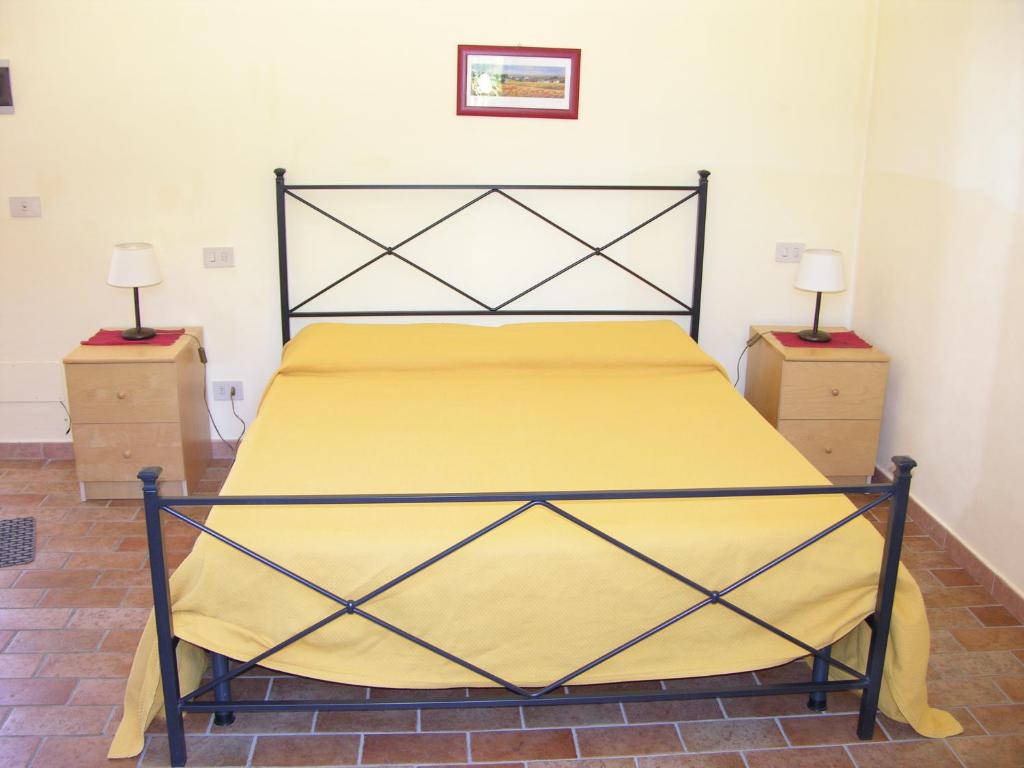
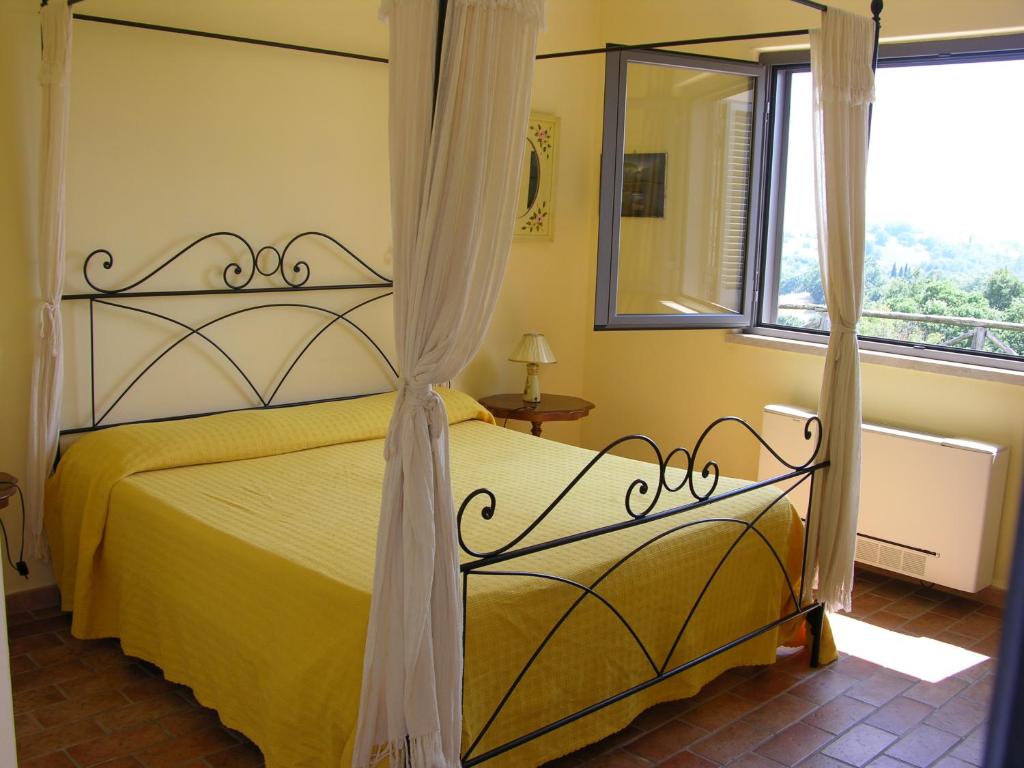
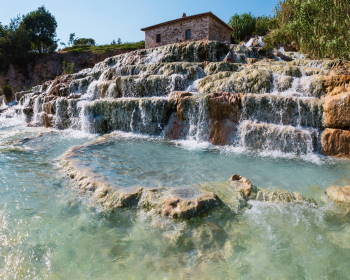
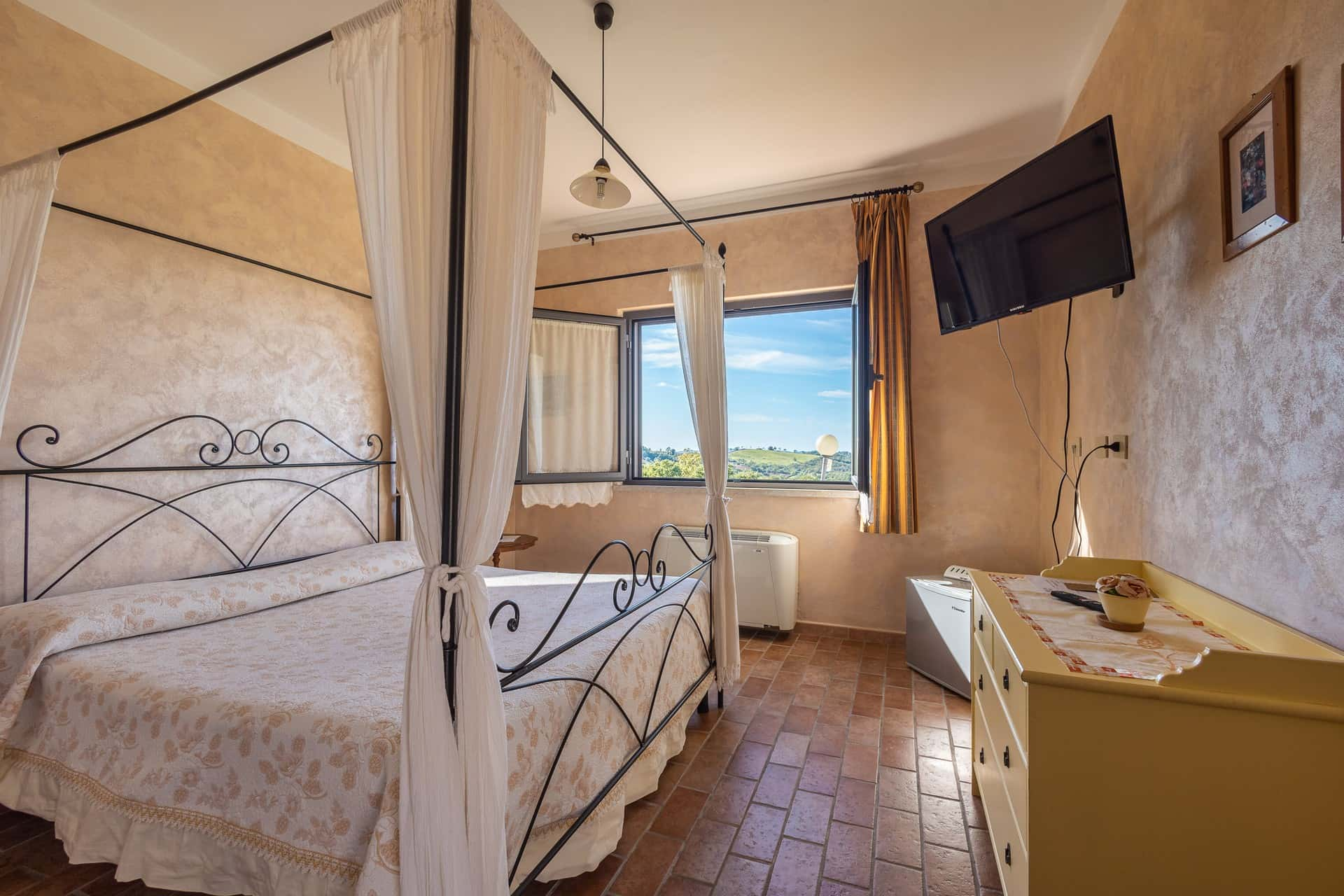
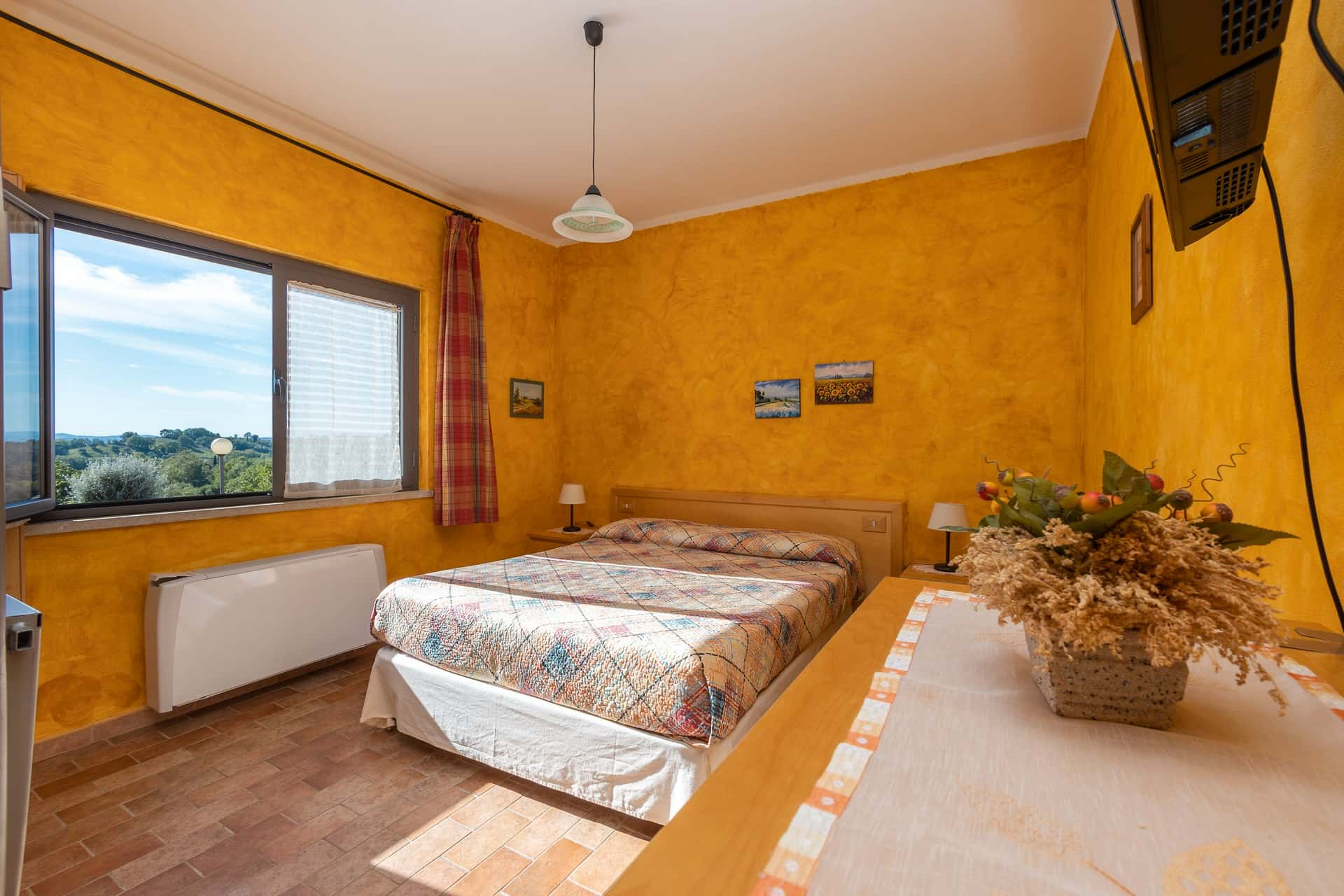
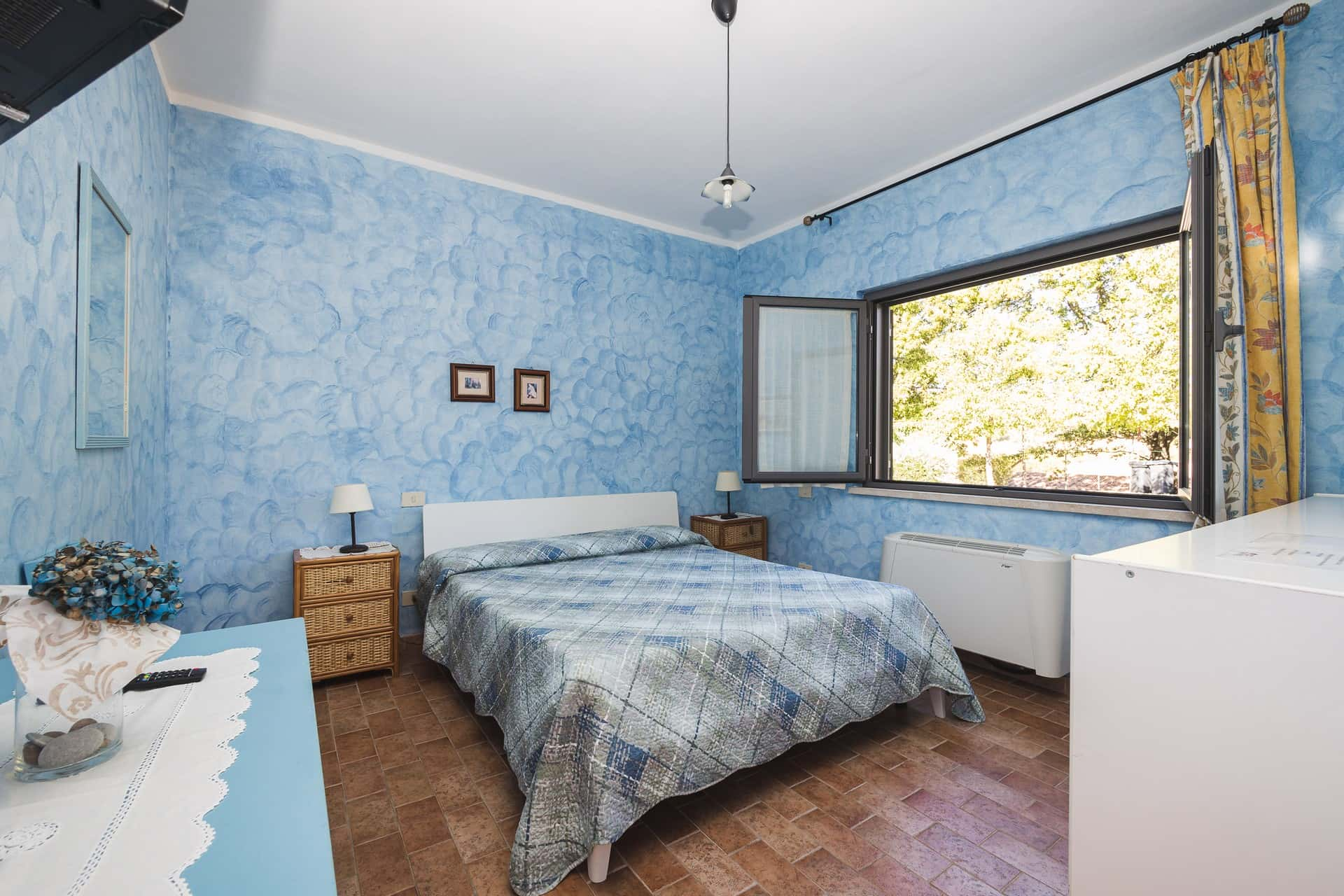
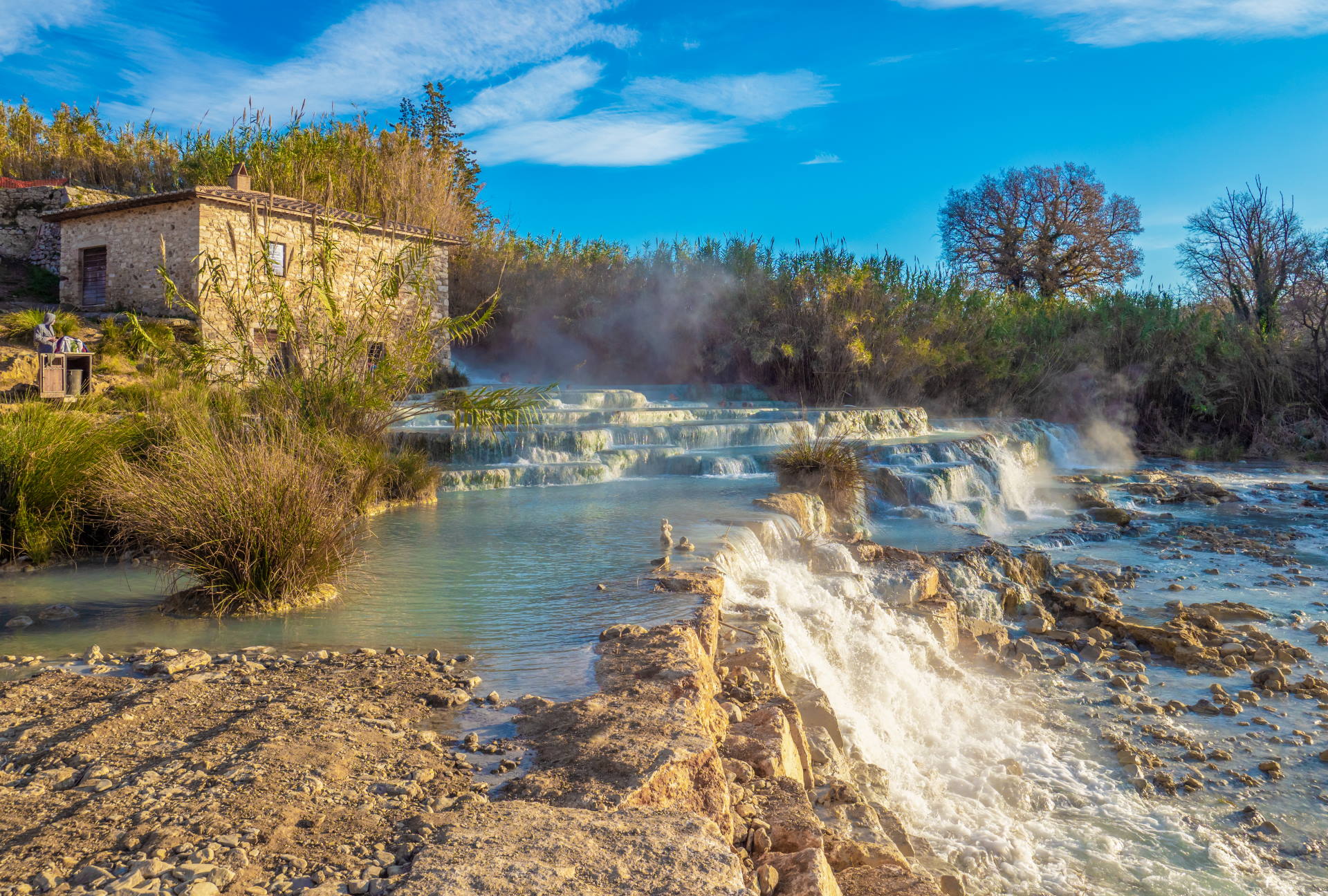
The farm lies on the "Maremma Toscana" hills, 500 mt on the sea level, only 5 minutes far from Saturnia Spa, midway from the sea of "Argentario", Mount Amiata and Bolsena lake. The ancient etrusco - Roman settlements of the archaeological park of the "Città del Tufo" (Saturnia, Sorano, Sovana and Pitigliano), the WWF oasis "Bosco dei Rocconi", the Natural Park of Maremma and the Park of Monte Labro, are at easy reach.
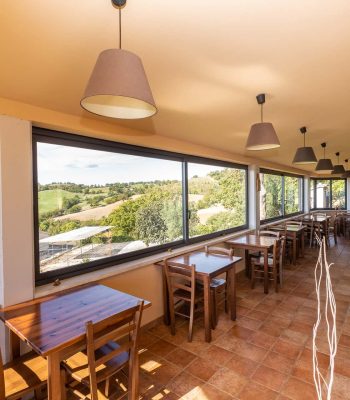
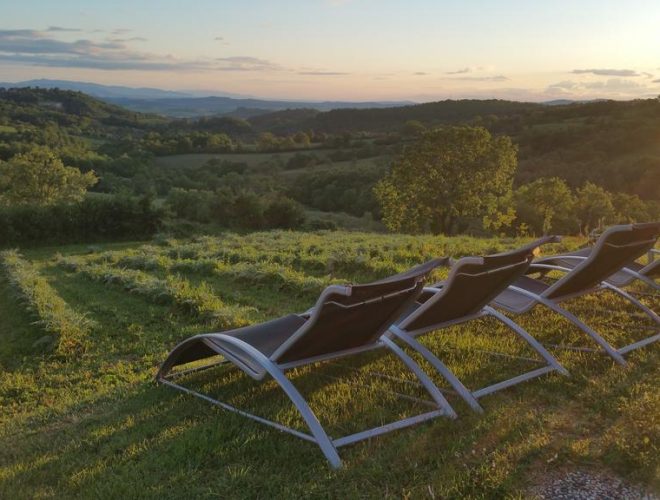
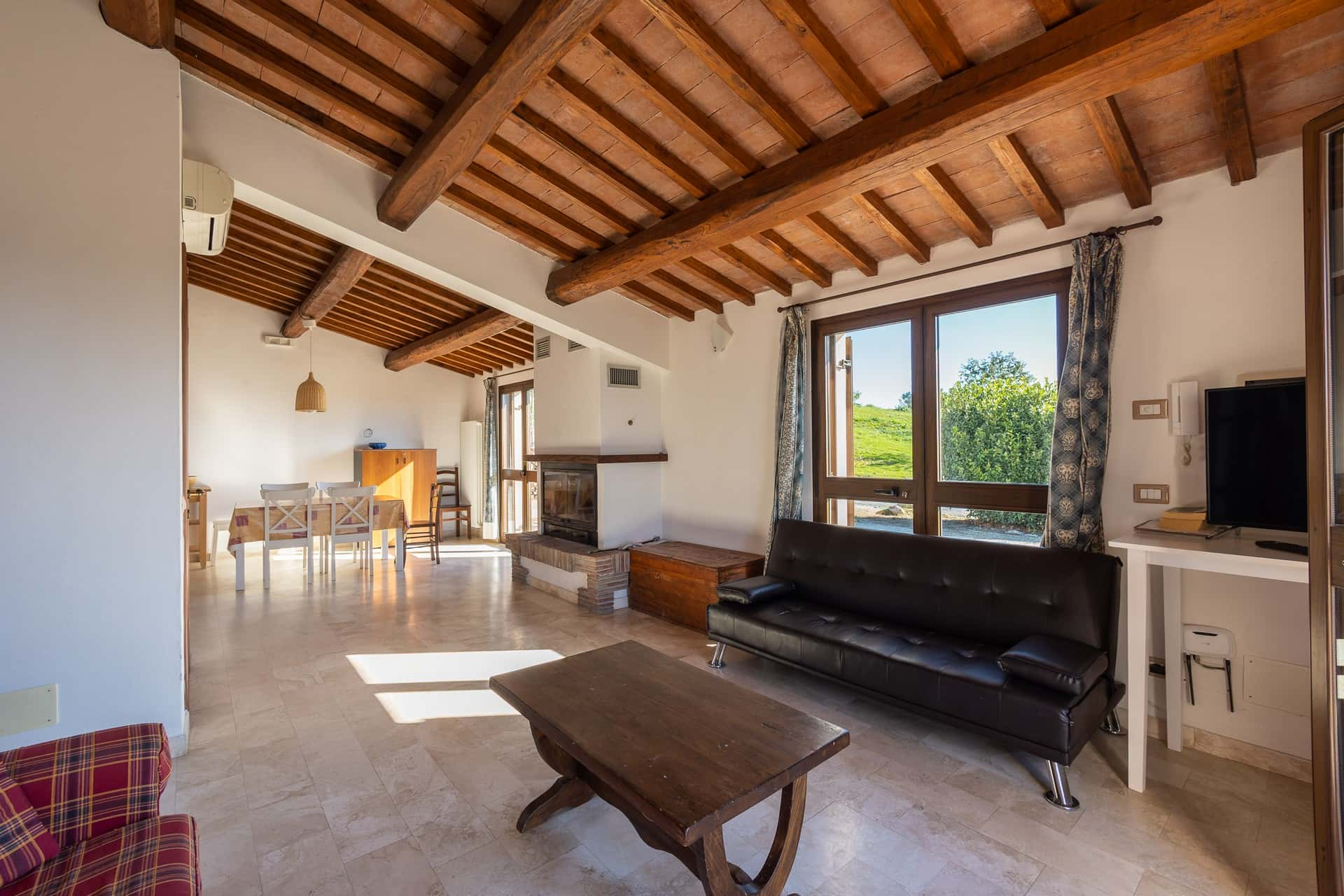
The farm Holiday is surrounded by big oaks under which you can relax enjoying the sight of gorgeous landscapes. |
 |
 |
 |
 |
 |
|
SORANO
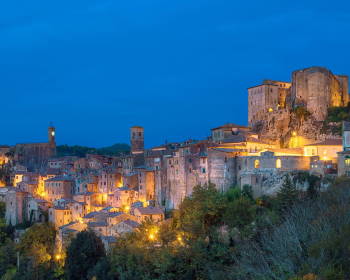
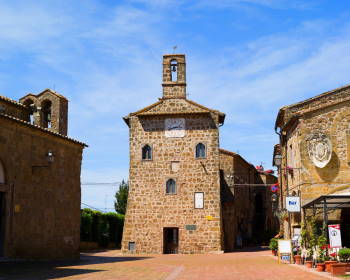
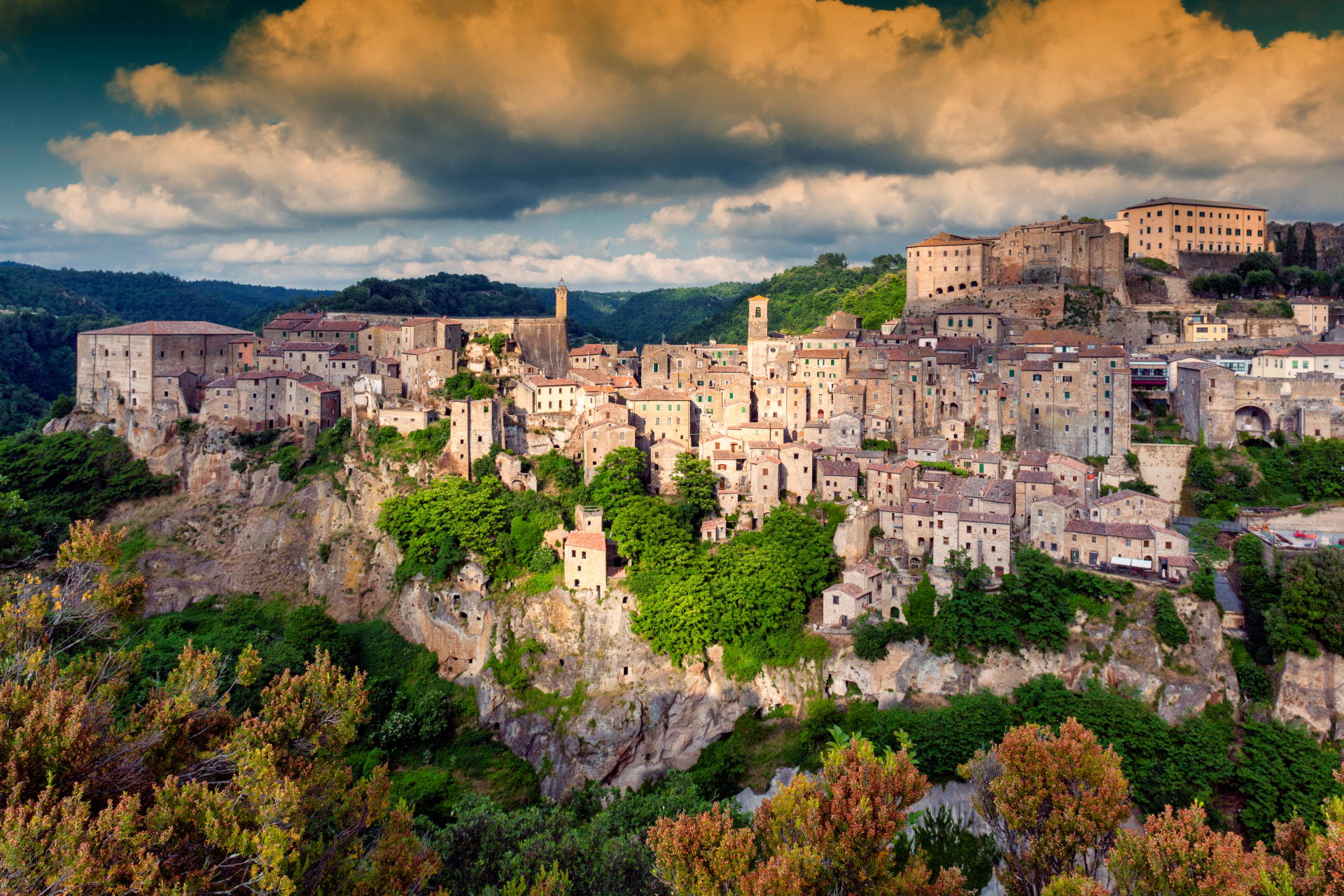
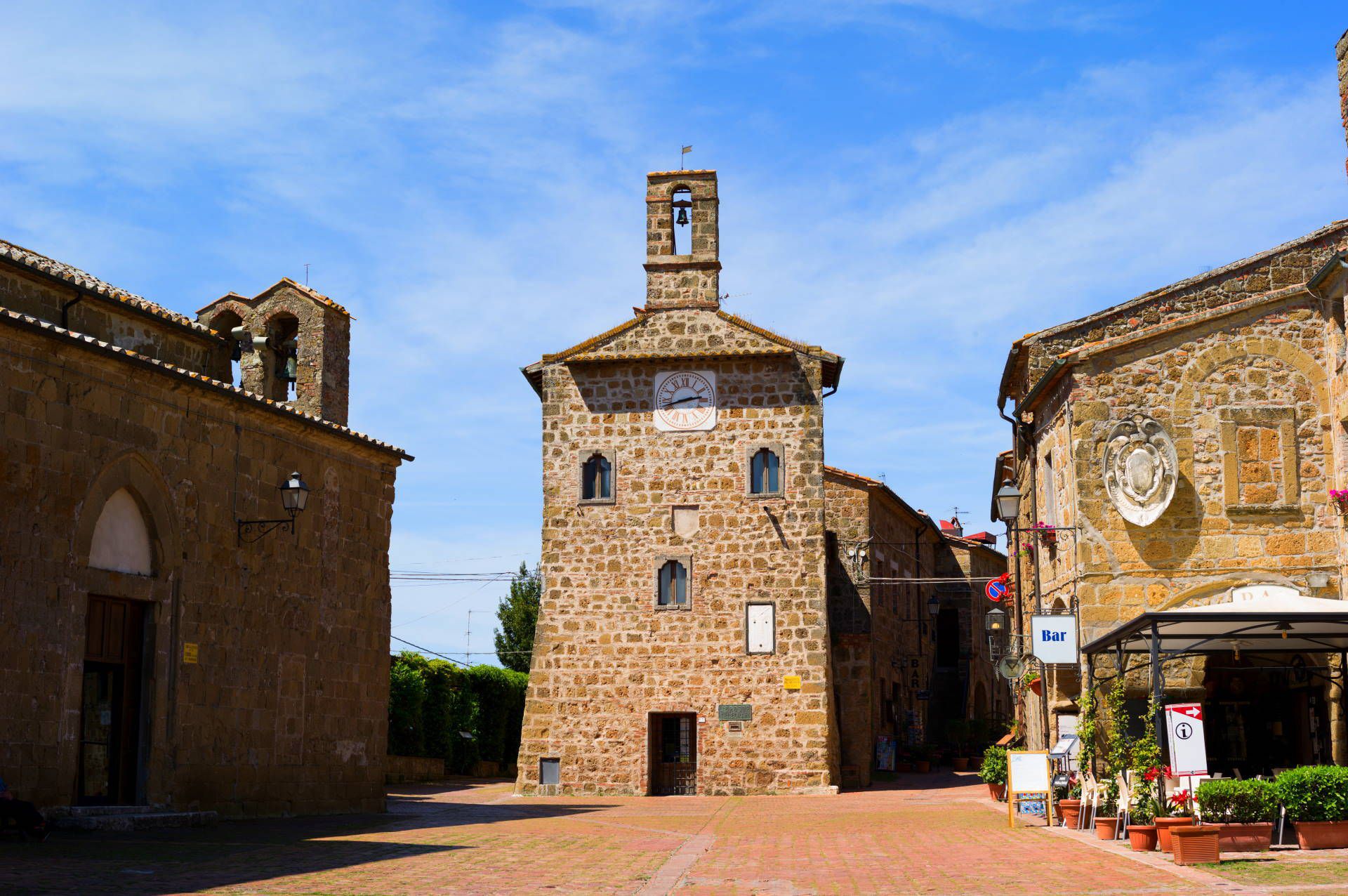
The ancient Etruscan town stands on a high summit that has weathered to resemble a natural cliff and is surrounded by impressive walls to make it one of the most secure defensive systems in the county of Pitigliano. The lovely fortress commands from on high, one of the most esteemed examples of military architecture of the Italian Renaissance period. The Orsini palace and the large Etruscan necropolis are also recommended visiting.
At the heart of many winding valleys created by erosion of water, the visitor Sorano seems like a real fairy-tale country that jealously hides the memories of its ancient past. The magnificent cliff overlooking the tufa down the lens keeps well the beauty and characteristics of this medieval village, a real jewel in its many historical genere.Per Sorano is of Etruscan origin, belonged to Aldobrandeschi in the Middle Ages and after numerous battles passed in 1293 to Orsini, an ancient and noble Roman family. Sorano became the defensive bulwark of this family playing an important role in the struggles against the Republic of Siena from which the Orsini and their subjects not always emerged victorious. In 1417, in fact, the county of Pitigliano and Sorano feud with the neighboring Castell'Ottieri was forced to sign a treaty which stated that bend the indirect sovereignty of the state of Siena. That pact was less in 1555, when it fell the Republic of Siena, and already in 1556 Nicholas IV Orsini could reassert its full legitimate power over the county. After the fall of the Republic of Siena, the Medici, with Cosimo I, it took the place playing the role of enemy-friends. During this period the Orsini provided to consolidate Rocca di Sorano making an admirable example of military architecture and a powerful means of defense. The Orsini family, torn by real wars continue ceased to dominate in this county in 1604 with the death of Alexander of Bertoldo, and Sorano actually passed under the jurisdiction of the Medici who ruled until 1737, leaving the succession to the government of Tuscany the house of Lorraine. THE FORTRESS ORSINI The Fortezza Orsini dates back to 1380, when the Count Orsini Bertoldo, but it seems had been Aldobrandeschi castle in early 1300. The Fortezza Orsini occupies the isthmus of the peninsula which lies Sorano and is guarding the road that it reaches, from Pitigliano. The huge monastery does not appear in all its grandeur from the outside, since the campaign to show only the two angular bastions, the curtain that unites them and the low and massive square tower that overlooks a knight latter. This covered embankment a hanging Rock, with rows and regular drafts square, occupies the entire width of the peninsula and physically bar access. In the central tower, which cupolino a much more modern style rises to the lookout, opens the door massive, framed dell'arco of bugne clearer, too low in comparison to the amount that accepts it. Through the ditch along a bridge former drawbridge, s'accede to the heart of fortitude. Above dell'arco stands out a weapon monumental very beautiful. It 'very fine work of decorative species in detail, where the lions are classified Aldobrandeschi, bars and roses of Orsini, under the load dell'orsacchiotto heraldic crest. The plaque that is subject tells us that the work was performed in 1552 by order of Nicholas IV Orsini. A large square, supported by two sides from a peak walls, separating the bulwark advanced by a second building very oldest with a tower at the center, which was the first fortress. A second courtyard, with arcades, separates the construction of your castle, from flights of stairs very ripide.Sul bastion of east stood a windmill to manufacture gunpowder on the west there was a similar grind tailings. In a well-protected buried there were the stock of powder and salnitro, the foundry for guns and Archibugi, the "riservetta" of ammunition, the cellar with food, the cell for prisoners and the armory well. Alongside the areas of housing was the chapel and the sacristy adjoining the house chaplain. At the bulwark of the roof opened the orifice of a well communicating with a wide and deep tank. During the restoration of 1968, came to light, two groups of frescoes. The first of these groups presents the classic floral motifs and characteristic Puttin argue that festoon boxes from Bacchic scene. The second group of frescoes is framed by geometric frames that contain scenes of mythological character. THE MASSO Leopoldina This is a massive boulder tufaceous located opposite the oldest part of the fortress, which was fortified in eighteenth-age Lorraine, with the intent to help control the surrounding territory. The walls of Masso Leopoldino were largely blunted and smoothed by hand while its top was smoothed to mo 'terrace of the irregular shape. On the side nearest the church of St. Nicholas was finally erected the unique clock tower that still marks the time of this picturesque village. The Necropolis of San Rocco (III - II sec. BC) is located along a ridge tufaceous delimiting the valley of the river Lens, dug up the hairpin bends in the tufa, it reaches a smooth on the right path, where is the necropolis, consisting especially from tombs excavated rooms in the vertical walls of the terraces tufacei. In addition to the chamber tombs, you may notice that many Roman Colombari face numerous along the river valley. Coming down to the town of Sorano "Port of Merli", in the vicinity of a large clearing will depart the traces of ancient paths dug directly into the tuff are the so-called "Vie Cave", which united Sorano with surrounding centers and Etruscan there with all the most important centers dell'Etruria.
|
|
|
|
|
|
|
SOVANA This was a important centre from Etruscan times and up to the 12th century. From the 1960s, improvement and restoration projects have restored its particular evocative atmosphere. A real architectural jewel is the cathedral, built in the 9th century and modified between the 11th and 12th centuries.
Suan, the ancient Etruscan city name, was founded by groups of farmers and shepherds whose settlements were placed on different heights along the middle course of the river Fiora (formerly Armin). The combination of these nuclei such life to the city, located on a spur tufaceous between streams and Calesine Folon, where you can still find traces and evidence of this ancient civilization. In the short time Suan became the center of the area surrounding arose where several clusters of farmers, thanks to the many Etruscan road that linked to the territories of the greatest centers Statonia, Saturnia, Chiusi and Cetonia. Until the third century. BC Suan was an ally of the powerful Vulci together and it took part in the continuing struggles of the Etruscans against the attempt of territorial expansion of the Romans, until the consul Caio Tiberius conquered this land, with the result that Vulci became a "city without the right to vote ", and Sovana in 'Roman law became" Municipium. " Despite the Roman influence, no significant changes occurred in the lives of sovanesi, so that Sovana became one of the most prosperous area through the enlargement of horizons commercial and agricultural prosperity and development of local (still one of most flourishing center of the Tuscan), and writing remained the Etruscan until I sec. BC as evidenced by the numerous Etruscan tombs in the area. From the fourth century. onwards, Christianity spread in the city thanks to the work of evangelization made by S. Mamiliano (his patron), and the fifth century. became bishop's seat. Despite the barbarian invasions that one another over time, Sovana managed to keep virtually intact its municipal ordinances and so on, it became increasingly important. From the IX century. Aldobrandeschi of the family began to form a broad domain in Maremma and once set at Sovana their home, it experienced the greatest glory thanks to the great figure of Pope Gregory VII, the century by Ildebrando Soana. After the death of the Pope, the political events that susseguirono were many and Sovana it was involved, especially regarding the continuing struggles between the papacy and the Emperor. In 1243 after more than two years of siege by Frederick II, William Aldobrandeschi, was forced to acknowledge and accept an imperial garrison in Sovana as well as other centers of contea.Da shortly Sovana began to suffer a slow but continuous decline and after the death of Margherita, the branch of the family Aldobrandeschi is drained and they took over the family of the Orsini. These Sovana sought to restore its former glory, but when Senesi conquered the city and also sacked the sacred buildings (the bell of the cathedral as the trophy was brought to Siena and placed on the bell tower of the cathedral, where it is today and is called by Senesi "Sovana"), the fate that awaited era of neglect and poverty. For several years, Orsini tried in every way to regain Sovana, but all attempts proved fruitless sooner or later. The same Siena Sovana tried to raise the decadence in which it was reduced, but precisely because of continuous wars, the intention failed. Sovanesi I asked and got even by Pope Alexander VI to transfer the town of monks Montecalvello (near the 'current Elmo), within its walls for groped to improve their economic and social conditions, but the positive effects of This initiative lasted until Pope Innocent X, with a bubble, abolished the monastic community. When in 1555 the Republic of Siena, fell into the hands of the Medici family of Florence, Cosimo I asked the Orsini, who meanwhile had recovered and risaccheggiato Sovana, the return of the city as a land Senese. The refusal of Nicholas IV Orsini, began a siege to Sorano where he was usually the Conte refuge. At this point intervened the Papal States that forced the Count of Pitigliano to deliver a Sovana Cosimo de 'Medici and they began to raise Sovana encouraging restocking with tax privileges and gifts of houses and lands. But following an outbreak of malaria, the town is almost entirely depopulated, and even bishops were forced to leave the city and in 1660 the bishop Jerome Bourgeois, moved the headquarters from Episcopal Sovana to Pitigliano. Finally, with Peter Leopold of Lorraine was dissolved the community of Sovana, by joining the municipality of Sorano, where he remained permanently from 1814 until today. Since then only the excavations, leading to discovery and a real "necropolis" with graves and remains of Etruscan civilization, helped to remove the country from oblivion in which it was dropped, so that was dubbed "City of Jeremiah" for the image of desolate city that was presented to the visitor just as the prophet.
|
|
|
|
|
|
|
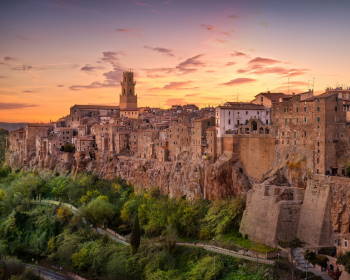
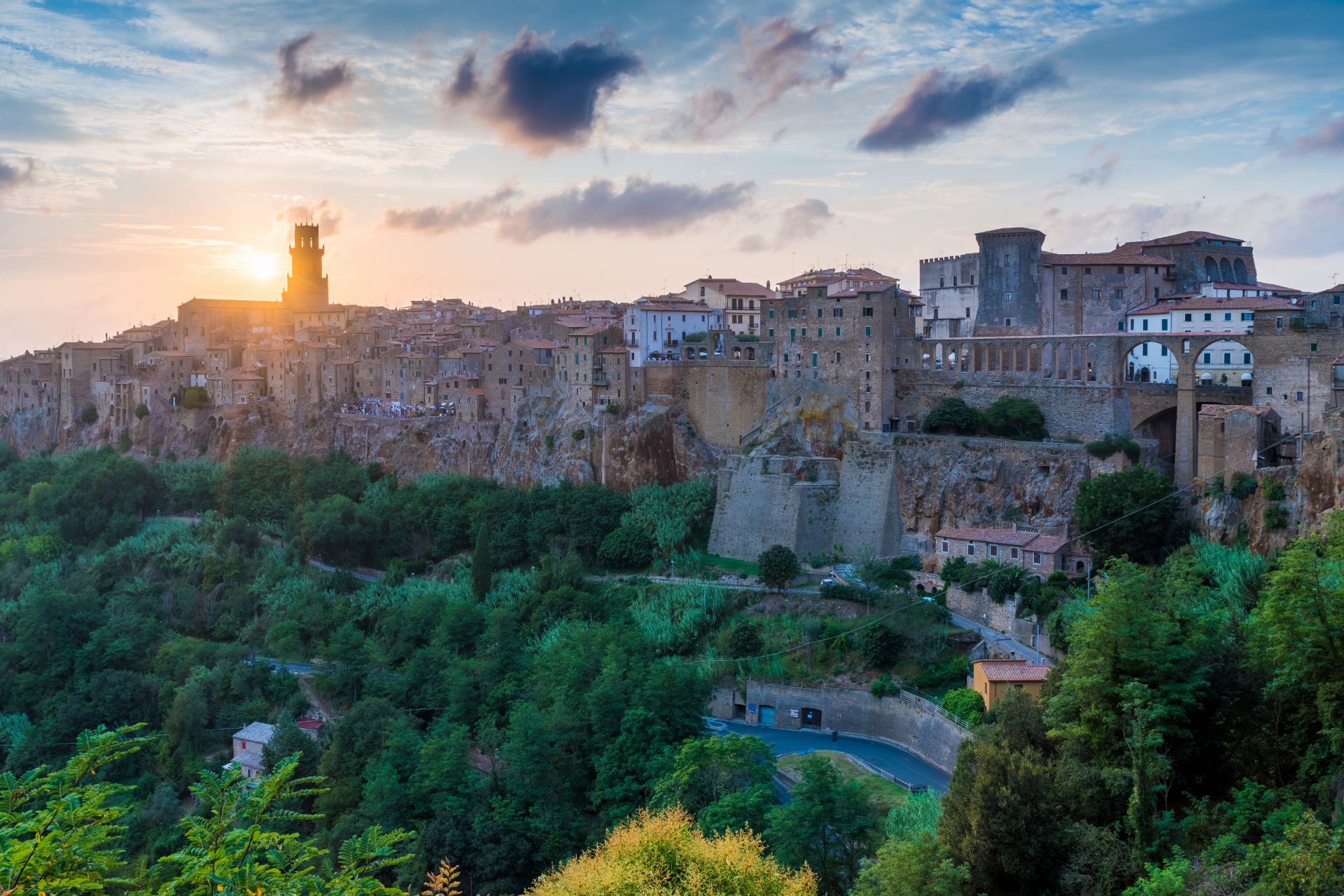
PITIGLIANO Pitigliano offers visitors a fairytale setting rising from a promontory of striking and untamed beauty, surrounded by bright green valleys. The Medicean aqueduct, the churches and the houses seem have been conjured up onto the spur of tufa overhanging the valley of the Lente and Meleta rivers. Pitigliano’s magic can be savoured by taking in the historical centre, strolling through the narrow and picturesque streets, exploring the caves and Etruscan tombs that today serve as cellars, continuing up to the Jewish Ghetto whose fame was to lend Pitigliano the name of ‘Little Jerusalem’, with its synagogue, library packed with ancient texts, cemetery and oven for cooking unleavened bread.
The name "PITIGLIANO" should go back to Roman times and in an ancient legend he was given by two exiles, and Petilia Ciliano, who, after stealing the golden crown of Jupiter Stator from the Capitol d Rome, took refuge on the spur tufa on which stands the modern village to escape their pursuers. The first overview of Pitigliano, which is offered by the sudden turn of the Madonna delle Grazie, is simply fantastic and surreal. Many characteristics with style houses built on a rustic bench tufaceous, small towers and historic buildings' planted 'a huge peak on cliffs, give the feeling d suddenly in an ancient fairy world, the legendary and yet romantic. A natural environment where you can find a lot of history and art.
HISTORY The origins of this wonderful town date back to prehistoric times: its numerous Etruscan tombs emerged over the centuries pass and the beautiful walls of the third century BC testify without doubt the origin of the Etruscan pitiglianese. With the emergence of the Etruscans, the country had to take strong aspect of urban agglomeration, even if it is subject to the influence of the economic policy of close Lucumone Vulci, whose territory extended up to the average valley of the river Fiora.
Since dall'VIII sec. BC the political life of this country was closely linked to Sovana, headquarters of the family Aldobrandeschi. The high strategic position helped give Pitigliano an increasingly important military, already in 1202 the country could enter fully in the clashes between the Aldobrandeschi and the Republic of Siena. To avoid the siege of Siena, the pitiglianesi signed an alliance with the City of Orvieto, in exchange for military aid, the Orvieto demanded that the city had erected a county with the residence requirement by a Aldobrandeschi, which was awarded the title of Count of Pitigliano. Despite all efforts, the supremacy of Sovana continued in effect until after the division of territories between the two branches of the family Aldobrandeschi, though, since 1259, the Red Ildebrandino had paused the seat of a county by Sovana Pitigliano. While Sovana was slowly undergoing an inexorable decline, the importance of Pitigliano became increasingly thanks to the marriage of Anastasia, last descendant of the offspring Aldobrandesca in Maremma, with Romano Orsini The luck of Orsini, an ancient and noble Roman family, was largely due to intrallazzi little Orthodox John Gaetano Orsini, that Pope Nicholas III.Pitigliano was reconfirmed capital of the county who felt the influence of Orsini who made their Pitigliano residenza.Dopo Sovana of the defeat at the hands of the Republic of Siena, the whole county, troubled by internal conflicts and attacks increasingly pressing and extended to the entire territory of Siena, passed through a difficult period. In 1547 the common people of Pitigliano proclaimed lord of their cities Nicholas IV supported by Cosimo de 'Medici. ll government of Nicholas and lasted just bad, because the papal court dell'Inquisizione subjecting him to trial imprigionò, while the secret emissaries of Cosimo incited against the souls of the population. Freed from prison in Rome, The Count of Pitigliano returned to the village with the intention of revenge of local whistle-blowers, knowing they can count on for Cosimo I, which held, and concealment to one to the other party in the foot Two brackets.
The opportunity for Cosimo appeared after the fall of the Republic of Siena when, in 1562, many inhabitants of Pitigliano, seeking to pass under the rule of Florence, with confidence in its more liberal laws, it raised drive and Count Orsini the Medici acclaim their lords. But Cosimo preferred to reject what was offered, not inimicarsi powers far more than the county in question. Only after various events, which saw come into play kings, cardinals and popes and during which Nicholas IV did not fail to attack Pitigliano, now estintasi the ursinea dynasty, Cosimo de 'Medici in 1604 could take possession of the county. The domain Medici, who was to guard the expansionist of the Papal States, not brought those benefits that pitiglianesi had hoped, indeed the county was growing impoverishment, until the house of Austria led the Grand Duchy of Tuscany. Under the domination of Lorraine, thanks to a more prudent economic policy, eliminating the feudal servitude, causing misery of the people, it could be a certain improvement of living conditions, at least where it was possible. With the work of Leopold II, Pitigliano saw its flourishing cultural climate, and its urban thanks to the reorganization, restructuring and expansion intended by the Grand Duchy of Tuscany. Had finished the timing of local wars and so could resume the peaceful life, every day, devoted to agriculture, which for centuries had been alternating in the most risky of the soldier. In the plebiscite of 1860, Pitigliano joined the Kingdom of Italy, the rest is history.
|
|
|
|
|
|
 |
|
|
|
|
|